Below is an article from the Radical Survivalism Webzine. I found it too important not to share. Be sure to connect with Radical Survivalism through the links on their site, http://radicalsurvivalism.com/web/.
_______________________________________________________
Diabetes Prep: What Every Diabetic Needs To Know
One segment of the population that is extremely vulnerable in a disaster is those who have insulin dependent diabetes. One thing that was gravely concerning in William Forschen’s book “One Second After” was the prominence diabetes was given in the plot with an apparent lack of research into this disease. Hopefully, this information will give some comfort and inspiration to those who live with this disease as well as those who reside with individuals or meet those who face these specific set of medical challenges.
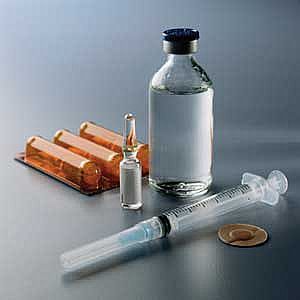 Diabetics fall into two main categories. Type I diabetics produce no insulin at all in the body and are completely dependent upon manufactured insulin. Such people often develop diabetic symptoms in infancy or childhood. Type II diabetes produce insulin but it is either not enough or the body’s ability to use it is impaired. These people are usually diagnosed in middle age. Sadly, due to obesity and bad nutritional habits, adolescents are now being found to have this type of diabetes, too. Type II diabetics can sometimes control blood sugar levels with diet. They often need medications that improve insulin production. Many do use manufactured insulin to achieve the best control.
There have been many advances in treatment for diabetics in recent years, especially for those who depend upon insulin. Insulin may be injected with a syringe or delivered by a continuous pump. Currently, researchers are working to develop an insulin spray that can be inhaled through the nose and also a pill. Surgical options are also being researched.
For now, we have the problems of storing and handling manufactured insulin. Most insulin now in use is synthetic human insulin as opposed to the older insulins that were processed from pork or beef pancreas. There are various brand names and formulations. There are short and rapid acting insulins that are used at mealtime and if the blood sugar is very high that rapidly peaks in the body and is metabolized away. Very long acting (basal) insulins are released slowly over 12 to 24 hours providing a constant baseline insulin level and blood sugar control. Often, these two types are paired together for best control. There are also intermediate acting insulins which are usually taken in the morning and have their peak action 6 to 8 hours later that some patients benefit from. These are also usually combined with the short or rapid acting insulin.
Consequently, most insulin dependent diabetics will have two different insulins. In an emergency, other brands from the same group (short, long, intermediate) can be interchanged with only minor difficulties. If only one of the three categories is available, dosage adjustments may be needed. In a local or regional disaster such as hurricane, there are generally health providers available to assist with this. In a situation where such help is not available, dosage adjustments will need to be approached very carefully and in slow increments. A glucometer should be stored in a shielded container (Faraday cage) as well as extra batteries and test strips. Most Type I diabetics are fairly aware of how their body feels when blood sugar is up or down. Trust these feelings especially when testing is not available.
A useful strategy for Type I diabetics is “carb counting.” Many use this method to determine what their mealtime insulin dose should be. With the popularity of Low Carb Diets for weight loss, books are easily now available that provide the carbohydrate values for foods. This type of insulin dosing may require adjustment, but many diabetics feel it is worthwhile because it frees them to eat a wider variety of foods without anxiety. The “diabetic” category of foods is no longer necessary in diabetic treatment. This can make it much easier to plan your food storage. Diabetics can eat the same wholesome foods as others. It should be noted that diabetics have more reason than others to avoid large amounts of concentrated sweets and overly processed foods.
Storage of insulin is the next issue of concern. Most people believe that insulin must be refrigerated at all times. This is outdated information. Once a bottle of insulin or (insulin pen) is opened it should be stored at reasonable room temperature (59 to 86 degrees F). The manufacturer provides information regarding how long the insulin maintains potency after opening. For most insulins that is about thirty days. After that, the potency gradually deteriorates. If you had no choice but to continue using it, you would likely need more to maintain control as time went by. Refrigerating it makes no difference to this deterioration of open insulin. Insulin that freezes is generally not useable, it clumps. If your only insulin supply is exposed to temperatures above 85 degrees (F) it’s potency will degrade but it can be used safely.
Unopened insulin is best stored in a refrigerator. If you are able to prepare an alternate power source such as generator or solar array, this would be the preferred way to store insulin. If you don’t have this ability, a cool place underground area such as a root cellar is best. Even a place in your basement, protected from light will do. The temperature at depths of about four to twenty feet are constant at 50 to 55 degrees (F). “Refrigerature temperature” as defined by insulin manufacturers is up to 49 degrees (F). This difference of a few degrees between cellar and refrigerator temperatures will not cause the insulin to degrade at an extremely accelerated rate as portrayed in fiction.
Unfortunately, these measures will only carry you for a period of time. Type II diabetics are not likely to experience severe symptoms of high blood sugar. Some may even be cured of it with the weight loss likely to occur in a longer term disaster situation. Most of the consequences of Type II diabetes develop slowly due to the constant high blood sugar. Some of these are: decreased resistance to disease, eyesight deterioration to blindness, kidney failure, as well as sores on the feet and legs that may become infected resulting in sepsis.
Deprived of insulin completely, Type I diabetics may quickly become comatose and die. The only hope for these particular individuals is that some kind of order can be restored before supplies run out. The more supplies you have and the better your storage arrangements, the longer those with diabetes will live and be healthy. Insulin is one of the first supplies brought into disaster areas. Although we avoid depending on others, stockpiles of a relatively fragile necessity such as insulin are finite. We must do the best we can and hope that we can hold on for long enough.
Another type of diabetes we should plan for is Gestational Diabetes. This is high blood sugar levels during pregnancy in a woman who did not have diabetes prior to pregnancy. This type of diabetes usually ends when the baby is born. The main problem with this is that the baby is essentially ‘overfed’ while in utero by the high circulating blood glucose. This produces a larger than normal baby which is immature in its physical development. There is an increased probability of premature birth. Even if full-term, the baby may have under developed lungs which can cause significant challenges for the newborn or death if hospital care is unavailable. The large size of the baby presents an obvious problem for home birth.
Gestational diabetes most commonly occurs in women who have a family member with diabetes, are overweight, or over thirty. Women with this condition can be given insulin but not the currently available diabetes pills as the pills will harm the fetus. Gestational diabetes can often be controlled with diet. Since screening would be difficult in primitive conditions, all pregnant women should be cautious of diet during pregnancy. Do not use artificial sweeteners during pregnancy. Pregnant women will usually tolerate the higher blood sugar levels fairly well. Diabetic coma is highly unusual for pregnant women The greatest risk is primarily to the baby. For more information regarding Gestational diabetes testing, see below.
The biggest difficulty with insulin, as with any other prescription, is ability to stockpile. My first suggestion is to enroll in a 90 day supply option, now offered by most insurance plans often included with a mail in option. Refill as often as allowed, don’t wait until you run out. This can help with stocking up on medications such as asthma inhalers, too. If you are able to talk frankly with your doctor, explain that you would like to have a prescription for an extra supply to have on hand “just in case”. If you have prescription drug insurance, you will have to pay out of pocket for any extra supply. This is a small price to pay for peace of mind.
Information regarding Gestational diabetes testing with a glucometer:
Although glucometers are considered to be highly accurate, the test values may not conform exactly to the standards in use now because it would be difficult to measure an exact amount of grams of glucose being given. On the initial glucometer reading, fasting (eight to twelve hours without food or drink prior to test) blood sugar should be less than 100. One hour after drinking a sugary drink, such as a can of coke or big glass of orange juice, the reading should not be more than 200. By four hours after the test, the blood sugar reading should be back down to around 100. If the reading is abnormal, then the woman should be on a low carbohydrate, no concentrated sweets diet. Testing can be repeated to check if the adjustments in diet are helping to lower the blood sugar. Calories should be restricted enough to prevent the mother from gaining more than 35-40 pounds to try to keep the baby healthy and properly sized. Hopefully insulin will not be required since locating the drug during a disaster scenario could create even more serious challenges.
DISCLAIMER: Although this article has been written on a medical topic, no warranty whatsoever is made regarding the accuracy of the content. There is absolutely no assurance that any statement contained or cited in this article touching on medical matters is true, correct, precise, or up-to-date. Even when an accurate statement has been made about medicine, it may not apply to you or your symptoms.
The medical information provided here is, at best, of a general nature and cannot substitute for the advice of a medical professional. Neither the author of this article or the editors of Radical Survivalism Webzine are doctors. No one connected to Radical Survivalism Webzine can take any responsibility, or assume any liability, for the results or consequences of any attempt to use or adopt any of the information presented in this article. Further, nothing on RadicalSurvivalism.com should be construed as an attempt to offer or render a medical opinion, or otherwise engage in the practice of medicine.